

Your doctor mentioned starting a GLP-1 medication and gave you two options: Trulicity or Ozempic. Maybe you’ve heard friends talk about one or the other. Now you’re trying to figure out which one makes more sense for managing your type 2 diabetes.
Both Trulicity and Ozempic belong to the same class of medications called GLP-1 receptor agonists. They work similarly in your body, lowering blood sugar and often causing weight loss. The choice between them often comes down to dosing frequency, how much A1C reduction you need, and which one your insurance covers better.
Understanding how each medication works, what results you can expect, and what differentiates them helps you have a more productive conversation with your doctor.
How GLP-1 Medications Work
GLP-1 stands for glucagon-like peptide-1, a hormone your body naturally produces when you eat. This hormone signals your pancreas to release insulin when your blood sugar rises. It slows down how quickly food leaves your stomach. It reduces your appetite by affecting hunger signals in your brain.
Trulicity and Ozempic are synthetic versions of this hormone that last much longer in your body than the natural hormone does.
When you inject these medications, they mimic your body’s natural GLP-1 but remain active for days instead of minutes, like the natural hormone. This extended activity also means you only need to inject once weekly rather than multiple times daily.
According to the Centers for Disease Control and Prevention, over 38 million Americans have diabetes. For people with type 2 diabetes whose blood sugar isn’t adequately controlled with oral medications like metformin, GLP-1 medications offer another treatment option.
Active Ingredients and Dosing
Trulicity contains dulaglutide and comes as a once-weekly injection starting at 0.75 mg, though your doctor can increase the dose to 1.5 mg, 3 mg, or even 4.5 mg if you need stronger blood sugar control.
Ozempic contains semaglutide, and the starting dose is 0.25 mg dose for the first month to help your body adjust before increasing to 0.5 mg weekly, with the option to go higher to 1 mg or 2 mg if needed.
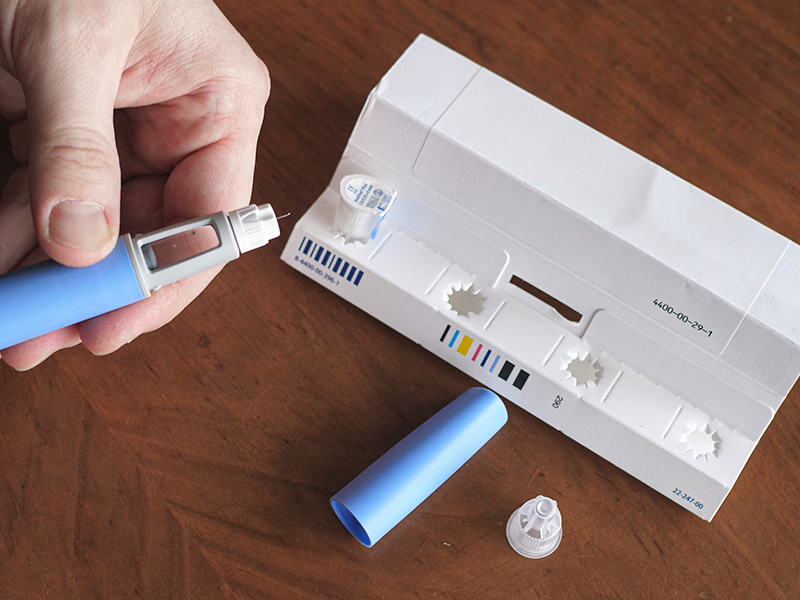
Both Ozempic and Trulicity come as prefilled pens that make self-injection relatively straightforward once someone shows you how your specific pen works.
Weight Loss Effects
Most people with type 2 diabetes are carrying extra weight that makes blood sugar control more difficult, and both of these medications typically cause weight loss by reducing appetite and slowing how quickly your stomach empties. You end up feeling satisfied sooner during meals and staying full longer afterward, which naturally leads to eating less without the constant mental battle against cravings.
While Ozempic produces more weight loss on average than Trulicity (on average 2.5-3.3 kg more weight loss), individual results vary widely. Some people lose considerably more while others barely lose anything despite following their treatment plan carefully. Your diet quality, activity level, starting weight, sleep patterns, stress levels, and other medications all influence how much weight actually comes off.
Just to clarify, neither Ozempic or Trulicity are officially FDA-approved for weight loss, though there is another formulation of semaglutide called Wegovy that’s specifically approved for weight management.
Cardiovascular Benefits
Heart disease kills more people with diabetes than high blood sugar itself, which makes cardiovascular protection a critical consideration when choosing diabetes medications. Both Trulicity and Ozempic have been tested in large clinical trials specifically designed to see whether they prevent heart attacks and strokes in people with diabetes who already have heart disease.
The REWIND trial found that Trulicity reduced major cardiovascular events by 12 percent compared to placebo, while the SUSTAIN-6 trial showed Ozempic reduced cardiovascular risk by 26 percent compared to placebo.
These were different studies with different patient populations and different timelines, so you can’t simply conclude that Ozempic is twice as protective, but both medications clearly offer meaningful heart protection with Ozempic showing somewhat stronger effects in its specific trial.
Side Effects
Digestive side effects dominate the experience for most people starting these medications because of how GLP-1 affects your stomach and intestines. Nausea tops the list and usually hits hardest when you first start or when your doctor increases your dose, though it typically gets better after a few weeks as your body adjusts to having extra GLP-1 around.
Since you’re injecting these medications rather than swallowing pills, taking them with food doesn’t help with nausea the way it might with oral medications. Some people find that eating smaller portions and avoiding particularly greasy or spicy foods makes the digestive discomfort more manageable.
Other common digestive complaints include:
- Diarrhea or constipation
- Vomiting
- Stomach pain
- Decreased appetite that goes beyond what’s therapeutically helpful
- Bloating and gas
Most of these effects are mild to moderate and improve over time, though some people tolerate one medication better than the other for reasons that aren’t entirely predictable.
More serious problems are less common but important to know about, including pancreatitis which causes severe abdominal pain that doesn’t let up and requires immediate medical attention. Both medications also carry warnings about thyroid tumors based on animal studies, so people with certain thyroid cancer histories shouldn’t take them. Gallbladder problems can develop when you lose weight quickly, and these medications speed up that process.

Injection Experience
You’ll give yourself a shot once a week with either medication, injecting into fatty tissue under your skin in your belly, thigh, or upper arm. Trulicity uses a single-use pen where you remove protective caps, press the pen against your skin, hit a button, and the medication injects automatically without you seeing the needle. Ozempic uses a multi-dose pen that lasts several weeks where you dial up your dose, attach a fresh needle each time, inject, and count to six before pulling it out.
Both use thin, short needles that most people find reasonably comfortable, and rotating where you inject helps prevent lumpy tissue buildup that can interfere with how well the medication absorbs.
Cost and Insurance Coverage
Without insurance, you’re looking at a substantial amount of money each month for either medication, which is genuinely what these costs. Insurance coverage varies wildly – some plans prefer Trulicity and put it on a cheaper tier while others favor Ozempic, so your copay could be $25 or $250 depending on your specific plan.
Most insurance companies also require prior authorization where your doctor has to document that you’ve already tried other diabetes medications and explain why you specifically need a GLP-1 drug, which can take weeks and sometimes gets denied for reasons that seem arbitrary.
Patient assistance programs from the manufacturers can help if you meet their income and insurance requirements.
Which Medication Makes Sense for You?
If you need maximum A1C reduction, Ozempic tends to produce stronger results at higher doses. If weight loss matters as much as blood sugar control, Ozempic typically delivers more pounds lost. If you have heart disease along with diabetes, both protect your cardiovascular system though Ozempic showed somewhat stronger effects in trials.
If you’re prone to digestive issues, you might tolerate one better than the other, though there’s no way to predict this ahead of time.
If cost drives your decision, find out which one your insurance actually covers well before getting attached to either option.
Starting Treatment
Expect an adjustment period with whichever medication you start, as nausea and other digestive effects are almost guaranteed at first. Monitor your blood sugar more frequently when beginning treatment so you and your doctor can see how well it’s working and whether doses need adjusting.
Don’t suffer in silence if side effects are making you miserable – tell your doctor, as sometimes slowing down dose increases or adjusting timing makes a meaningful difference.
Give the medication time to work since you might notice reduced appetite within days but A1C changes take weeks to fully develop, with most doctors wanting you on a stable dose for at least three months before evaluating effectiveness.
Making Your Decision
Ozempic generally produces stronger A1C reduction and more weight loss, while Trulicity offers solid blood sugar control with a simpler pen design some people prefer. Both protect your heart if you have cardiovascular disease. The right choice depends on what your body needs, how you respond, and which one your insurance will cover without excessive hassle.
If medication costs are preventing you from accessing Trulicity, Ozempic, or any diabetes medication, The Rx Advocates can help you navigate patient assistance programs.
It’s time to contact us online or call us at (844) 559-8331 today to see if you qualify for programs that provide medication at reduced or no cost.