

Your doctor mentioned switching your long-acting insulin or trying a different one. Maybe you’re on Basaglar and seeing morning blood sugars that are still too high.
Or you’re considering Toujeo because someone said it lasts longer.
Now you’re trying to figure out what the actual difference is between these two insulins.
Both Basaglar and Toujeo are long-acting insulins designed to control your blood sugar throughout the day and night. They’re both versions of insulin glargine, which means they’re more similar than different. The distinctions that do exist, though, can matter quite a bit depending on your specific situation.
What Long-Acting Insulin Does
People with type 1 diabetes don’t produce insulin at all. People with type 2 diabetes produce some insulin, but not enough or their bodies don’t use it effectively. Both groups often need to inject insulin to keep blood sugar in a healthy range.
Long-acting insulin works differently than mealtime insulin.
When you eat, your blood sugar rises quickly. You need fast-acting insulin to handle that spike. Between meals and overnight, your liver releases glucose steadily into your bloodstream. Long-acting insulin manages this background glucose level.
The goal is to provide a steady, predictable level of insulin in your bloodstream for 24 hours or close to it. This keeps your fasting blood sugar stable overnight and between meals. When it works well, you wake up with blood sugar in your target range without having to eat or take medication in the middle of the night.
How These Insulins Are Similar
Both Basaglar and Toujeo contain insulin glargine as their active ingredient. They’re both made through recombinant DNA technology and are injected once daily, typically at the same time each day.
Neither insulin is meant to be taken with meals. They provide background insulin coverage, not mealtime coverage. If you need insulin with meals, you’ll take a separate rapid-acting insulin for that purpose.
Both insulins come in prefilled pens that make injection straightforward. The pens are designed for subcutaneous injection into the fatty tissue just under your skin.
The Key Difference: Concentration
Basaglar contains 100 units of insulin per milliliter, written as U-100. This is the standard concentration that most insulins use.
Toujeo contains 300 units per milliliter, or U-300.
This means Toujeo is three times more concentrated than Basaglar.
The higher concentration changes how the insulin behaves in your body. When you inject a more concentrated solution, it forms a smaller depot under your skin. This smaller depot releases insulin more slowly and steadily over a longer period.
The practical effect is that Toujeo tends to last slightly longer than Basaglar and provides a flatter, more even insulin level throughout the day. Some studies suggest Toujeo lasts 24 to 36 hours while Basaglar lasts closer to 24 hours.
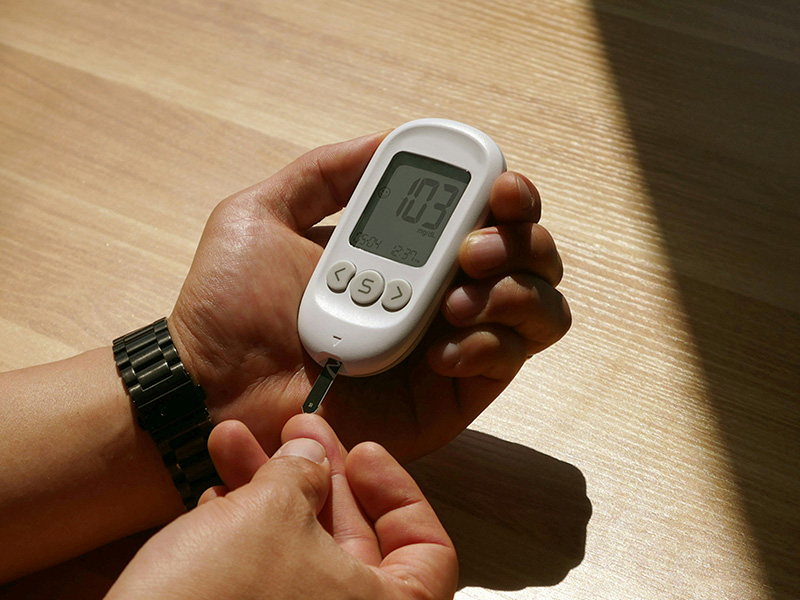
What This Means for Blood Sugar Control
The longer, flatter action of Toujeo can translate to more stable blood sugar levels, particularly in the last few hours before your next dose.
Some people find that Basaglar starts wearing off after 20 to 22 hours.
If you inject at 8 PM, your blood sugar might start rising by 6 PM the next day, a few hours before your next dose. This can show up as higher blood sugar in the late afternoon or early evening.
Toujeo’s extended duration means it’s more likely to provide coverage for a full 24 hours without that end-of-dose rise. The flatter profile also means less peak insulin activity, which reduces the risk of low blood sugar overnight.
According to the Centers for Disease Control and Prevention, over 38 million Americans have diabetes. Managing blood sugar consistently matters because both high and low blood sugar cause problems. High blood sugar over time damages blood vessels, nerves, kidneys, and eyes. Low blood sugar can cause confusion, loss of consciousness, and dangerous situations.
Dosing and Injection Experience
Because Toujeo is more concentrated, you might need a different dose than you were taking with Basaglar. The doses aren’t always equivalent unit for unit.
When switching from Basaglar to Toujeo, many people need the same number of units or sometimes slightly less.
The higher concentration means you’re injecting a smaller volume to get the same number of units, which some people find more comfortable. With Basaglar, 30 units means injecting 0.3 milliliters. With Toujeo, that same 30 units takes up only 0.1 milliliters.
Your doctor will determine your starting dose based on your current insulin regimen and blood sugar patterns. You’ll likely monitor your blood sugar more frequently when switching to make sure the dose is right.
Both insulins require dose adjustments over time as your insulin needs change based on factors like weight, activity level, other medications, stress, and illness.
Hypoglycemia Risk
Low blood sugar is a concern with any insulin. Both Basaglar and Toujeo can cause hypoglycemia if the dose is too high relative to your food intake and activity level.
Clinical studies have found slightly lower rates of nighttime hypoglycemia with Toujeo compared to U-100 insulin glargine products like Basaglar.
The flatter profile of Toujeo means less peak insulin activity overnight, which reduces the chance of blood sugar dropping too low while you sleep.
This difference is modest, not dramatic. Both insulins are relatively safe in terms of hypoglycemia risk. Still, for someone who experiences frequent nighttime lows, the slightly lower risk with Toujeo might tip the scales toward choosing it.
Preventing hypoglycemia involves more than just insulin choice. Eating consistent amounts of carbohydrates, timing meals appropriately, adjusting insulin doses based on activity, and monitoring blood sugar regularly all play important roles.
Cost and Insurance Coverage
Cost can be a major factor in insulin choice. Both Basaglar and Toujeo are expensive without insurance coverage.
Insurance plans vary in which insulins they prefer.
Some plans place Basaglar on a more favorable tier with lower copays. Others prefer Toujeo. Your insurance formulary determines your out-of-pocket cost, which can differ significantly between these two insulins.
Basaglar was developed as a follow-on to Lantus, the original insulin glargine product. This makes it somewhat less expensive than brand-name options in many cases. Toujeo is a newer formulation without generic equivalents, which can make it more expensive.
Patient assistance programs exist for both insulins. The Rx Advocates works with pharmaceutical manufacturers to help people access both Basaglar and Toujeo through these programs. We handle the application process, work with your doctor to provide necessary documentation, and manage renewals.
Which One Makes Sense for You?
Several factors should guide the choice between Basaglar and Toujeo:
- Blood sugar rising in the hours before your next dose suggests Toujeo’s longer duration might help
- Frequent nighttime low blood sugar means Toujeo’s slightly lower hypoglycemia risk could be beneficial
- High insulin doses make Toujeo’s smaller injection volumes more comfortable
- Lower out-of-pocket cost with your insurance might reasonably drive the decision
If you’re currently stable on Basaglar with good blood sugar control and no problems with nighttime lows or end-of-dose rises, there may be no compelling reason to switch.
Stability in diabetes management has value.
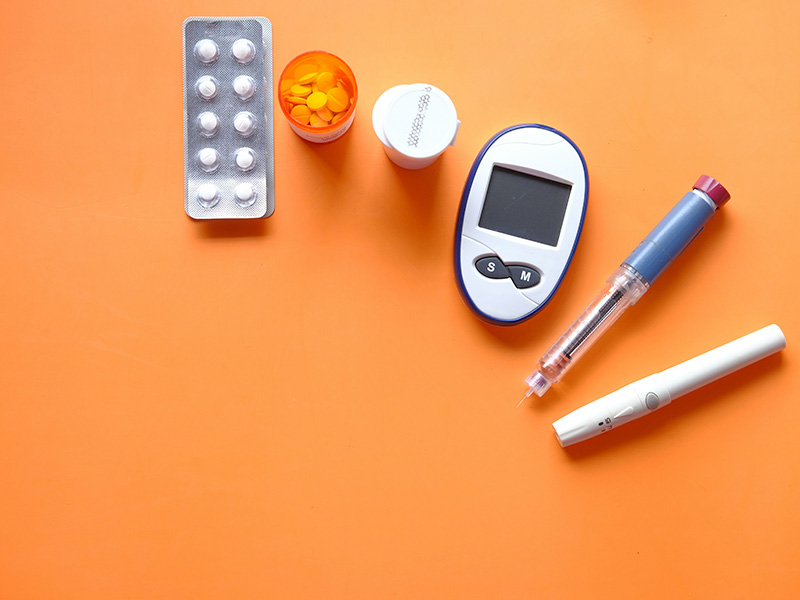
Storage and Practical Considerations
Both insulins require similar storage. Unopened pens should be refrigerated. Once you start using a pen, you can keep it at room temperature for up to 28 days for Basaglar and 56 days for Toujeo.
Never freeze insulin. Freezing destroys insulin’s effectiveness. Protect insulin from extreme heat and direct sunlight.
Check your insulin before each injection.
It should be clear and colorless. If it looks cloudy, discolored, or contains particles, don’t use it.
Talking With Your Doctor
If you’re considering switching between these insulins or choosing one for the first time, bring specific information to your appointment.
Share your blood sugar patterns, particularly your fasting blood sugar when you wake up and your blood sugar right before your next insulin dose. These patterns help your doctor see whether insulin duration is an issue.
Mention any episodes of low blood sugar, especially if they happen at night or in the early morning hours.
The timing and frequency of lows influences insulin choice.
Be honest about cost concerns. Your doctor can work with you to find the most affordable option, whether that means choosing a specific insulin, accessing patient assistance programs, or adjusting your overall treatment plan.
Making the Decision
Basaglar and Toujeo are more similar than different. Both are effective long-acting insulins that help control fasting blood sugar.
The concentration difference leads to modest differences in duration of action and hypoglycemia risk, but many people do well on either insulin.
The choice often comes down to individual patterns, preferences, and practical factors like cost. Working closely with your doctor and monitoring your blood sugar carefully helps you find the right fit.
Insulin is essential for managing diabetes, and cost shouldn’t stand between you and the medication you need. If you’re struggling to afford Basaglar, Toujeo, or both, The Rx Advocates can help you navigate patient assistance programs that provide insulin at reduced or no cost.
Contact The Rx Advocates at (844) 559-8331 today to see if you qualify. We manage the entire application process and work directly with your doctor to ensure you maintain access to your prescribed insulin.