

Managing type 2 diabetes often means taking more than one medication. If your doctor has mentioned combining Jardiance and metformin, you probably have questions about how these medications work together and whether this approach is safe.
The short answer is yes, many people with type 2 diabetes take Jardiance and metformin together. This combination is actually quite common and can be more effective at controlling blood sugar than either medication alone.
How Jardiance and Metformin Work Differently
Jardiance and metformin control blood sugar through completely different mechanisms, which is exactly why they work well together.
Metformin has been a first-line treatment for type 2 diabetes for decades. It works primarily by reducing the amount of glucose your liver releases into your bloodstream. It also helps your body use insulin more effectively, which means your cells can absorb glucose from your blood more efficiently. Metformin doesn’t cause your pancreas to produce more insulin, which is why it rarely causes dangerously low blood sugar on its own.
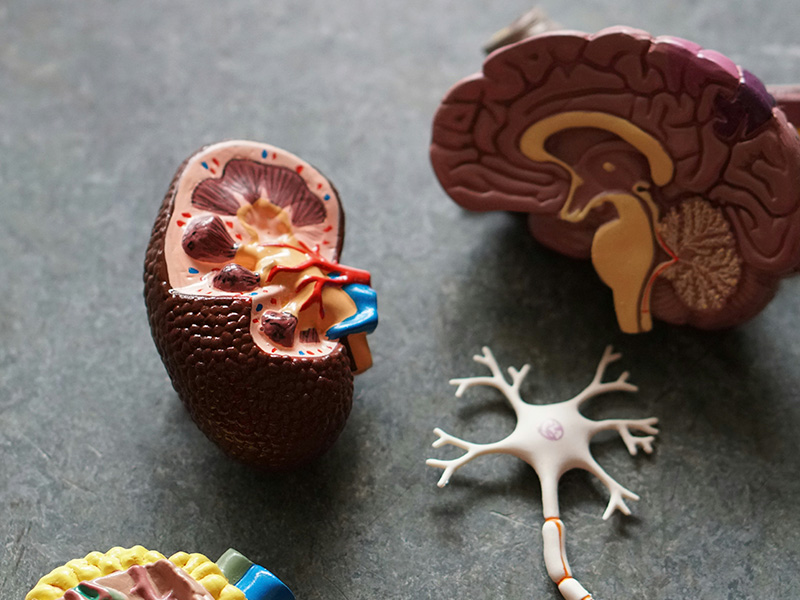
Jardiance belongs to a class of medications called SGLT2 inhibitors. These drugs work through your kidneys rather than your liver or pancreas. Jardiance blocks a protein in your kidneys that normally reabsorbs holds onto glucose and puts it back into your bloodstream. When this protein is blocked, extra glucose leaves your body through urine instead of staying in your blood.
Because these medications target different parts of your body’s glucose regulation system, they complement each other. Metformin reduces glucose production and improves insulin sensitivity. Jardiance removes excess glucose through your kidneys. Together, they attack high blood sugar from multiple angles.
Why Doctors Prescribe These Medications Together
Your doctor might recommend adding Jardiance to your metformin regimen for several reasons:
- Metformin alone doesn’t bring blood sugar levels down to target range
- You need cardiovascular protection beyond blood sugar control
- Weight management would benefit your diabetes care
- You’re showing early signs of kidney disease
Many people start with metformin as their first diabetes medication. If your A1C levels remain above your target after several months, your doctor will likely recommend adding another medication. Jardiance is often a good second choice because it works differently than metformin and has additional health benefits.
Clinical trials have shown that Jardiance reduces the risk of cardiovascular death in people with type 2 diabetes who also have heart failure by 25 percent. Research has also shown that it can slow the progression of kidney disease in people with diabetes.
While metformin tends to be weight-neutral or cause only modest weight loss, Jardiance often leads to moderate weight loss as well because excess glucose leaving through urine means you’re losing calories.
What the Research Shows
Clinical studies have extensively tested the combination of SGLT2 inhibitors like Jardiance with metformin, and the results consistently show that this approach is both safe and effective.
A large clinical trial found that adding an SGLT2 inhibitor to metformin resulted in significantly better A1C reduction compared to continuing metformin with other drug combinations.
These findings have made the combination a common treatment approach for people whose blood sugar isn’t adequately controlled with metformin alone.
Potential Benefits of Taking Both Medications
The primary benefit is better blood sugar control. When one medication isn’t enough to reach your target A1C, adding a second medication with a different mechanism often does the job.
The cardiovascular benefits of Jardiance add another layer of protection. Heart disease is a major concern for people with type 2 diabetes, so having a medication that both controls blood sugar and protects your heart addresses two problems at once.
Even modest weight loss of five to ten pounds often makes your body more sensitive to insulin and can improve blood sugar control. The natural weight loss that often occurs with this combination creates a positive cycle of better diabetes management.
Kidney protection becomes increasingly important the longer you have diabetes. Having a medication that helps control blood sugar while also protecting kidney function addresses both immediate concerns and long-term risks.
Possible Risks and Side Effects
While this combination is generally safe, you should be aware of potential side effects from each medication.
Common metformin side effects:
- Nausea and diarrhea
- Stomach discomfort
- Gas and bloating
These symptoms often improve after a few weeks as your body adjusts. Taking metformin with food usually helps reduce digestive issues. A rare but serious risk with metformin is lactic acidosis, though this happens very infrequently and usually only in people who have severe kidney problems.
Common Jardiance side effects:
- Urinary tract infections
- Yeast infections
- Increased urination
- Dehydration and dizziness
Urinary tract infections and yeast infections occur more frequently because extra sugar in urine creates an environment where bacteria and yeast can grow. Women experience these infections more often than men.
Jardiance acts as a mild diuretic, so drinking plenty of water helps prevent dehydration. If you feel dizzy or lightheaded when standing up, tell your doctor.
A rare but serious condition called euglycemic diabetic ketoacidosis can occur with SGLT2 inhibitors, even when blood sugar isn’t extremely high. Symptoms include nausea, vomiting, abdominal pain, confusion, and unusual fatigue. If you experience these symptoms, seek medical attention right away.

What to Watch For
When taking both medications, pay attention to how your body responds:
- Monitor blood sugar as your doctor recommends
- Stay well-hydrated throughout the day
- Watch for signs of urinary or yeast infections
- Report unusual fatigue, nausea, or difficulty breathing
You’ll likely check your blood sugar more frequently when first adding a new medication. Keep a log of your readings so you and your doctor can see how well the combination is working.
Watch for signs of low blood sugar, though this is less common with this particular combination. If you also take insulin or certain other diabetes medications, low blood sugar becomes more of a concern.
Accessing Your Medications
The cost of diabetes medications can add up quickly, especially when you’re taking more than one. Jardiance in particular can be expensive without adequate insurance coverage.
The Rx Advocates helps people access their prescribed medications through patient assistance programs run by pharmaceutical manufacturers. We work with over 100 manufacturers to help people get the medications they need.
Our service fee is fixed and based on the number of medications you need help with:
- One medication: $80 per month
- Two medications: $90 per month
- Three medications: $100 per month
- Four or more: $110 per month
We handle the application process, work with your doctor to get necessary documentation, and manage renewals so your access to medication continues. If you’re struggling with medication costs, contact The Rx Advocates at (844) 559-8331 to see if you qualify today.
Talk to Your Doctor
The decision to combine Jardiance and metformin should come from a conversation with your healthcare provider. Your doctor knows your complete medical history, other medications you take, and the specific challenges of your diabetes management.
If you’re already taking metformin and your blood sugar isn’t reaching target levels, ask whether adding Jardiance makes sense for your situation. If you have heart disease or early kidney disease along with diabetes, specifically mention these concerns.
Be honest about any side effects you experience. Your doctor can often adjust doses or suggest strategies to minimize problems.
Understanding why you take each medication and how they work helps you be an active participant in your diabetes care. With proper monitoring and communication with your healthcare team, this combination can help you reach your blood sugar goals while providing additional heart and kidney protection.