
This rare hormonal disorder is caused by prolonged exposure to high levels of cortisol, a hormone produced by the adrenal glands. The estimated global incidence is 1.8 to 4.5 cases per million people annually, with an estimated prevalence of 57 to 79 cases per million individuals. Women develop the condition three to four times more often than men, with most diagnoses occurring between ages 20 and 50.
When left untreated, the condition is associated with increased morbidity and mortality compared with treated cases.. However, early diagnosis and appropriate treatment can significantly improve outcomes and restore quality of life for most patients.
What Is Cushing’s Syndrome?
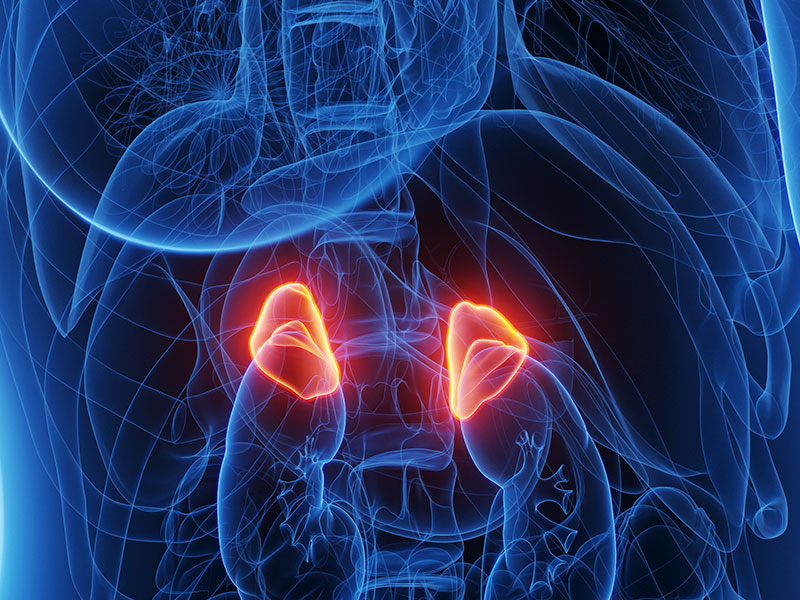
Cushing’s Syndrome occurs when the body has too much cortisol for an extended period. Cortisol plays essential roles in managing stress, blood pressure, inflammation, and blood sugar levels throughout the body.
The condition develops through two primary mechanisms. Most commonly, it results from taking glucocorticoid medications such as prednisone for conditions like asthma, arthritis, or lupus. Less frequently, tumors in the pituitary or adrenal glands can cause the body to produce excessive amounts of cortisol.
When cortisol levels remain elevated for weeks or months, the hormone disrupts normal body functions and creates widespread problems across multiple organ systems. The effects can range from visible physical changes to serious internal complications affecting the heart, bones, and immune system.

Symptoms of Cushing’s Syndrome
The disorder may develop gradually, making early symptoms easy to overlook. As it progresses, characteristic signs typically include changes in weight distribution, skin appearance, and overall physical function.
Weight gain often concentrates around the midsection and upper back, while the arms and legs may become thinner. Many people develop facial rounding, known as “moon face,” and a fatty deposit between the shoulders, sometimes called a “buffalo hump.”
Skin changes become particularly noticeable as the condition worsens. Wide purple or pink stretch marks may appear on the stomach, hips, thighs, breasts, and underarms. The skin becomes thin and fragile, bruising easily from minor impacts and healing slowly from cuts or injuries.
Women frequently experience additional symptoms, including excessive hair growth on the face and body, irregular menstrual periods, or complete cessation of menstruation. Men may notice decreased sex drive, fertility problems, or difficulty with erections.
Other common symptoms include extreme fatigue, muscle weakness, difficulty concentrating, mood swings, depression, anxiety, high blood pressure, and increased susceptibility to infections.
Types of Cushing’s Syndrome
The disorder is classified based on the underlying cause of excess cortisol production. The two main categories are exogenous and endogenous forms of the condition.
Exogenous forms result from taking glucocorticoid medications and represent the most common type. These medications may be taken orally, applied to the skin, inhaled, or injected for various medical conditions.
Endogenous forms occur when the body produces excess cortisol. This type is further divided into ACTH-dependent and ACTH-independent categories, depending on whether excess production results from pituitary stimulation or direct adrenal gland dysfunction.
ACTH-dependent disease accounts for approximately 80 percent of endogenous cases. Most of these result from pituitary adenomas that produce excess ACTH, leading the adrenal glands to make too much cortisol. This specific form is known as Cushing’s disease.
Causes and Risk Factors
Prolonged use of glucocorticoid medications such as prednisone, prednisolone, or dexamethasone represents the most common cause. These medications are prescribed to treat inflammatory conditions, including rheumatoid arthritis, lupus, asthma, and inflammatory bowel disease.
When the body produces excess cortisol naturally, pituitary adenomas are the most common cause. These small, usually benign tumors develop at the base of the brain and produce excess ACTH, which signals the adrenal glands to produce more cortisol.
Less commonly, tumors in other parts of the body begin producing ACTH inappropriately. These ectopic ACTH-producing tumors can develop in the lungs, pancreas, thyroid, or other organs and disrupt normal hormone balance.
Risk factors for developing the condition include taking glucocorticoid medications, having a family history of endocrine tumors, being female, and being between the ages of 20 and 50.
Diagnosing Cushing’s Syndrome
Diagnosis can be challenging because many symptoms overlap with other common conditions, such as diabetes, depression, or metabolic syndrome. The diagnostic process typically begins with measuring cortisol levels through various tests.
Initial screening may include measuring cortisol in saliva collected late at night when levels should normally be low. Urine tests that measure cortisol production over 24 hours can also provide valuable information about hormone levels.
The dexamethasone suppression test involves taking a medication that should normally reduce cortisol production. In healthy individuals, cortisol levels drop significantly after taking dexamethasone, but people with Cushing’s syndrome often show little or no suppression.
If initial tests suggest the disorder, additional testing helps determine the underlying cause. Blood tests measuring ACTH levels can distinguish between pituitary and adrenal causes of the condition.
Treatment Options
Treatment depends entirely on the underlying cause of excess cortisol production. When medications are responsible, gradually reducing or changing the treatment plan provides the most direct approach to resolving the condition.
Stopping glucocorticoid medications abruptly can be dangerous and potentially life-threatening. Healthcare providers work carefully with patients to slowly taper doses while monitoring for signs of adrenal insufficiency.
When pituitary tumors cause Cushing’s disease, surgical removal through a transsphenoidal approach offers the best chance for cure. This procedure succeeds in approximately 70 to 80 percent of cases with microadenomas.
For tumors that cannot be surgically removed or when surgery is unsuccessful, medications can help control cortisol production. These drugs work through different mechanisms to either block cortisol synthesis in the adrenal glands or prevent cortisol from affecting target tissues.
Radiation therapy may be recommended for pituitary tumors that do not respond to surgery or medication. In severe cases where other treatments fail, bilateral adrenalectomy may be necessary.
Living With and After Cushing’s Syndrome
Recovery requires patience and ongoing medical care. Even after successful treatment, the body may take months or years to fully recover from the effects of prolonged cortisol excess.
Physical changes such as weight redistribution and skin problems gradually improve over time, but the recovery process varies significantly among individuals. Some people see improvements within months, while others may require years to achieve their best possible outcomes.
Certain complications may not completely resolve even with successful treatment. Bone loss, cardiovascular damage, and diabetes can persist and require long-term management with appropriate medications and lifestyle modifications.
Many people need hormone replacement therapy if their treatment affects the pituitary gland’s ability to produce other essential hormones. Follow-up care typically involves regular appointments with endocrinologists and other specialists as needed.
When to Seek Medical Care
Several warning signs warrant immediate medical evaluation, particularly for people taking glucocorticoid medications or those with risk factors for hormone-producing tumors.
Rapid weight gain that concentrates in the trunk, face, or upper back should prompt medical assessment. The development of purple stretch marks, easy bruising, or slow wound healing may indicate excess cortisol levels.
Changes in mood, including depression, anxiety, or unusual irritability, combined with physical symptoms, deserve medical attention. Extreme fatigue, muscle weakness, or difficulty concentrating that interferes with daily activities should also be evaluated.
Women should seek care for irregular menstrual periods, excessive facial or body hair growth, or other signs of hormonal imbalance. Men experiencing decreased sex drive or other sexual dysfunction should discuss these symptoms with their healthcare provider.
People taking steroid medications who develop any of these symptoms should contact their healthcare provider promptly, but should never stop their medications suddenly without medical supervision.