
A colonoscopy is a screening and diagnostic procedure used to examine the large intestine for colon cancer and precancerous polyps. About 70 percent of U.S. adults aged 50 to 75 are up to date with colorectal cancer screening, according to the Centers for Disease Control and Prevention. The prevalence of up‐to‐date screening among individuals aged 45 years and older increased from 59 percent in 2021 to 65 percent in 2023.
Despite these improvements, approximately two-thirds of adults aged 45 to 49 have never been screened. This number represents a missed opportunity for early detection and prevention of a highly treatable disease.
What Is a Colonoscopy?
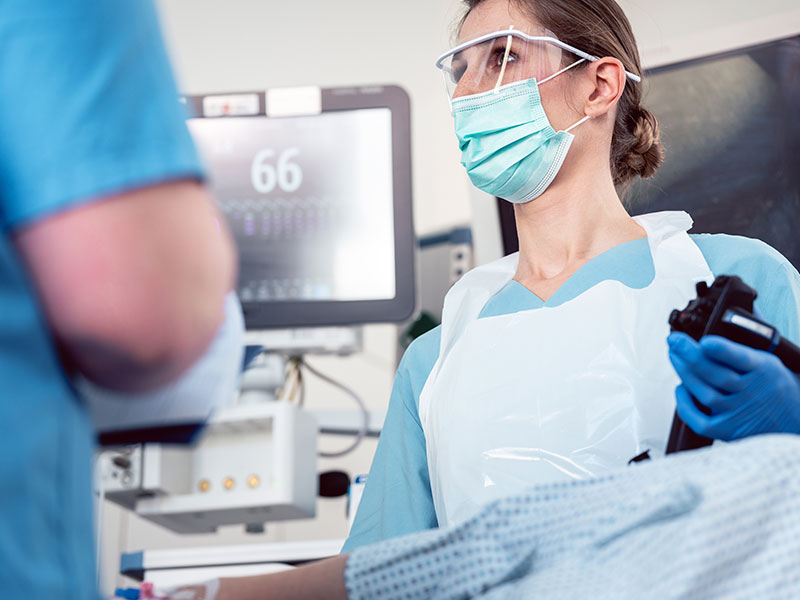
This procedure uses a long, flexible tube called a colonoscope that contains a tiny video camera at its tip. The device is gently inserted through the rectum to examine the entire colon and part of the small intestine.
Beyond viewing, the colonoscope serves multiple purposes. Built-in channels allow doctors to insert specialized instruments for removing polyps, taking tissue samples, or performing other treatments. These tools mean potential problems can often be addressed immediately rather than requiring a separate procedure.
When You Need a Colonoscopy
The US Preventive Services Task Force recommends that adults begin colorectal cancer screening at age 45. For those at average risk, screening colonoscopy is typically suggested every 10 years.
Certain symptoms prompt earlier evaluation regardless of age. Rectal bleeding, persistent abdominal pain, or unexplained changes in bowel habits warrant medical attention. Chronic diarrhea or constipation lasting several weeks may also indicate the need for colonoscopic examination.
Those with elevated risk factors often require modified screening schedules. A family history of colorectal cancer may necessitate starting screening before age 45 or having more frequent examinations.
Risk Factors
While age 45 marks the start of routine screening for average-risk adults, several factors may necessitate earlier or more frequent examinations.
Genetics play a crucial role in determining your colonoscopy schedule. A first-degree relative with colorectal cancer often triggers modified screening protocols that begin before the standard age.
Medical history also influences recommendations. Previous polyps or colorectal cancer create the need for ongoing surveillance, with intervals determined by the characteristics of earlier findings.
Chronic inflammatory conditions like Crohn’s disease and ulcerative colitis substantially elevate cancer risk. These diseases require specialized monitoring schedules that exceed standard screening guidelines.
Preparing for the Procedure
Thorough bowel preparation is essential for a successful examination. Any remaining stool can obscure the doctor’s view and potentially hide important abnormalities.
Preparation typically begins several days before your appointment. You may need to avoid high-fiber foods like nuts, seeds, and raw vegetables during this time.
The day before your colonoscopy involves more intensive preparation:
- Following a clear liquid diet
- Taking prescription laxatives as directed
- Avoiding red-colored liquids that might be mistaken for blood
Your medical team will review all current medications. Blood thinners may require temporary adjustment, while people with diabetes often need special instructions for managing blood sugar during the preparation period.
What to Expect During the Procedure
Most colonoscopies take 30 to 60 minutes to complete. You will receive sedation through an intravenous line to ensure comfort throughout the examination.
The procedure begins with you lying on your side on the examination table. The doctor gently inserts the colonoscope through your rectum and slowly advances it through your entire colon.
Air or carbon dioxide is used to inflate the colon for better visualization. This process may cause some cramping or the feeling that you need to have a bowel movement. The sedation helps minimize any discomfort.
If polyps are found, they can often be removed immediately using instruments passed through the colonoscope. Tissue samples may also be taken for laboratory analysis when needed.

After Your Colonoscopy
Once the examination concludes, you’ll spend about an hour in recovery as sedation effects gradually diminish. Transportation arrangements are essential since the medication impairs driving ability for up to 24 hours.
Temporary discomfort is expected following the procedure. Gas and bloating commonly occur as your digestive system processes the air introduced during examination. Walking often provides relief from these sensations.
Minor bleeding with your first bowel movement poses little concern, particularly when polyps have been removed. More serious symptoms like persistent bleeding, intense abdominal pain, or fever warrant immediate medical attention.
Before discharge, your physician will share initial observations from the examination. Laboratory analysis of any tissue samples typically requires several days to complete.
Understanding Your Results
Examination findings determine your future screening pathway. Negative results with no detected abnormalities typically extend your next appointment to ten years for average-risk individuals.
Discovered polyps shift the timeline considerably. While most prove benign on laboratory examination, their presence often shortens the interval between future colonoscopies. Size, quantity, and cellular composition all influence these decisions.
Postive findings require more intensive follow-up care. Large polyps, numerous growths, or concerning tissue characteristics may necessitate surveillance colonoscopy within just a few years rather than the standard decade interval.
Living After Your Colonoscopy
Regular colonoscopy screening represents one of the most effective ways to prevent colorectal cancer. Early detection and removal of precancerous polyps can prevent cancer from developing entirely.
Following your doctor’s recommended screening schedule is crucial for maintaining colon health. Missing scheduled follow-up appointments can allow problems to develop undetected.
Maintaining a healthy lifestyle supports your overall digestive health between screenings. Regular exercise, a balanced diet rich in fiber, and avoiding smoking all contribute to reducing colorectal cancer risk.
When to Seek a Colonoscopy
Certain symptoms warrant prompt medical evaluation regardless of when your last colonoscopy occurred. Rectal bleeding should always be assessed by a healthcare provider, even if you assume it results from hemorrhoids.
Significant changes in bowel habits lasting more than a few weeks require attention. These changes include persistent diarrhea, constipation, or noticeable changes in stool appearance.
Unexplained abdominal pain, especially when accompanied by other digestive symptoms, may indicate the need for evaluation. Weight loss without an apparent cause also merits medical consultation.
If you have risk factors for colorectal cancer but have never been screened, scheduling a consultation with your healthcare provider is an important step toward protecting your health.